
Swiss Watch Exports To U.S Tariffs: What Buyers Should Know
Key Highlights
- The U.S. government has imposed a significant 39% tariff on Swiss goods, directly impacting the Swiss watch industry.
- In response, Swiss watch exports to the U.S. soared by 45% in July as retailers stockpiled inventory to avoid the new levy.
- This tariff stems from failed trade negotiations between the U.S. and Switzerland, driven by concerns over the trade deficit.
- American buyers should anticipate price increases for new Swiss watches, potentially making them 12-14% more expensive.
- The secondary market for pre-owned Swiss watches already within the U.S. is expected to grow stronger as a result of these tariffs.
Introduction
Recent changes in global trade have put the spotlight on the swiss watch world. The United States put a new tariff on items coming in from switzerland. This step will have a big effect on the flow of luxury swiss watch exports to their largest market. For people who love watches or want to buy one, this means there are big questions about price, finding the watch they want, and what happens to the swiss watch exports in the next year. This article will break down what the new tariff means, the fast changes it will bring, and what you should know as a buyer in this time.
Overview of Recent U.S. Tariffs on Swiss Watch Imports
This new levy makes it harder for businesses in the watch industry to sell their products in the U.S. The decision happened for different reasons, including bigger trade talks and economic plans. The story behind this tariff is more than just the high cost. It is important to know the reasons so we can see how big the changes to the swiss watch industry will be for brands and people who like swiss watches.
Timeline and Context of Tariff Announcements
The tariff announcement came because U.S. and Swiss officials could not make a trade deal before the August 1st deadline. President Trump had shown he wanted to be tougher, but the final rate was higher than many people in the swiss watch industry thought it would be. The new levy was set to start on August 7th, so brands and stores did not have much time to act.
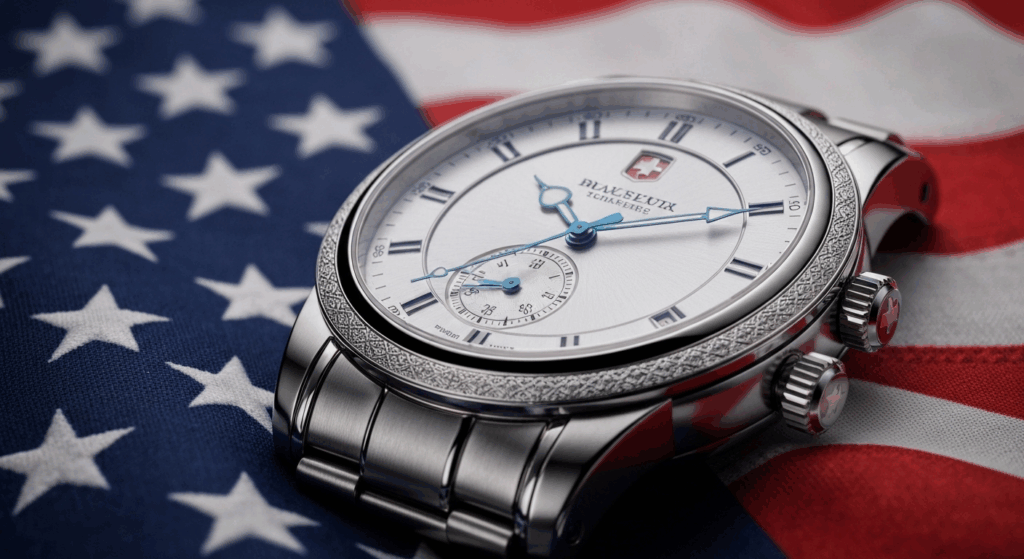
Right now, the tariff on swiss watches brought into the U.S. is a huge 39%. This is much more than the 15% rate given to other big watchmaking places like Germany (part of the European Union) and Japan. Because of this, swiss brands have trouble competing in the U.S. market.
The steep tariff surprised the swiss watch industry. Many saw it as alarming. People in the watch industry hoped there would be a last-minute deal and the levy would not be “prohibitive,” as Oris co-CEO Rolf Studer said. Right after, brands quickly arranged shipments to get swiss watches into the U.S. before the new rule began.
Main Reasons for the Imposed Tariffs
The main reason for the new tariff is the trade gap that the U.S. has with Switzerland. President Trump said this is a big issue for the country. His team wants to use what they call “equal” tariffs to bring trade back in line with partners.
There are a few reasons for setting such a high cost for Switzerland:
- Trade Imbalance: The U.S. has a trade gap of about $38.5 billion with Switzerland. The administration wants to bring this number down.
- Failed Negotiations: Switzerland did not make a trade deal with the U.S. to get a lower tariff, while Japan and the EU did.
- Broader Trade Policy: This action is part of a bigger plan where the administration uses tariffs to deal with trade problems between countries.
People from Switzerland say the trade gap isn’t exactly right, since it does not fully include the amount of services the U.S. sells to Switzerland. Also, those who work in the sector say there is no local watchmaking in the U.S. that needs to be shielded. This is why many think this high levy is random.
Immediate Impact on Swiss Watch Exports to the U.S.
This jump made the export data change quickly. That shows an uneven and strange pattern for the watch industry numbers. The rise in shipment volumes for swiss watches was not a real sign of more people wanting them. It only happened because of the tariff. The Federation of the Swiss Watch Industry believes people will know the real effect of the tariff when they look at the watch industry shipments in the months after it goes into action.
Surge in Shipments Before Tariff Implementation
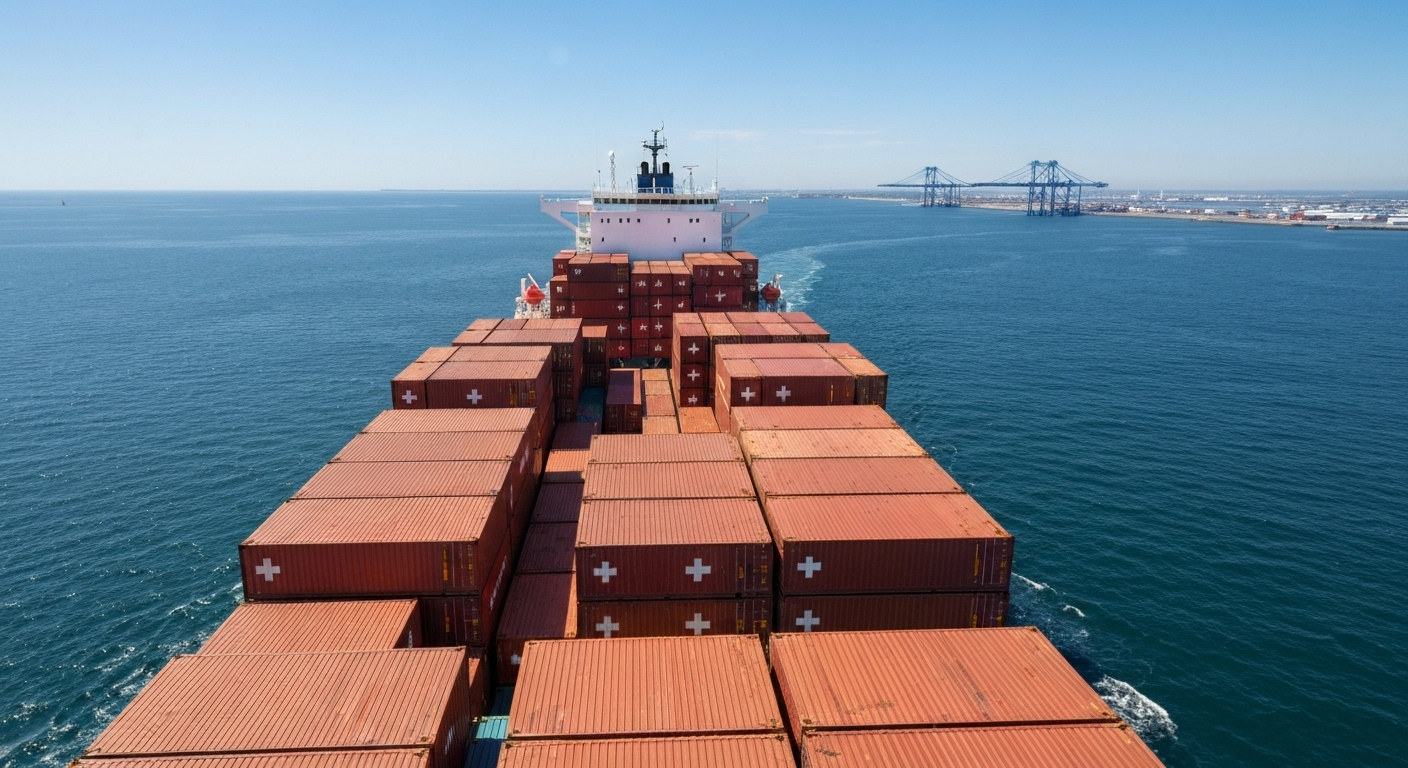
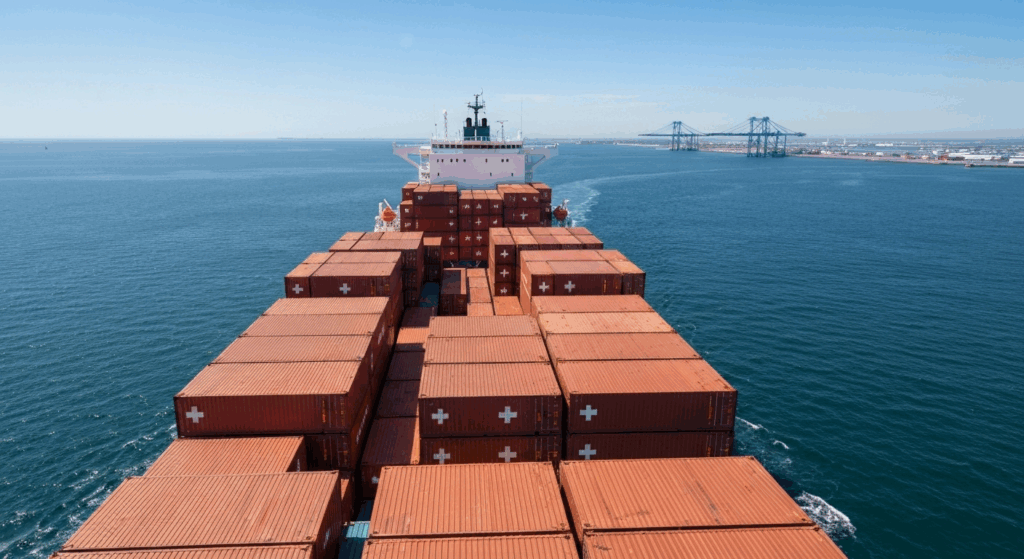
The big rise in swiss watch exports happened mostly because of people trying to avoid higher costs. Brands shipped more watches to their U.S. stores and partner companies before August 7. They did this so the watches would arrive before a 39% tariff started. This was a smart move to cut losses.
Top names in the watch industry talked about this plan. Breitling gave proof. They sent about three months’ supply to the U.S. before the deadline. Many other brands across the swiss watch industry also likely did the same thing. They used this method to help protect their business from higher prices.
This rush to send swiss watch inventory early makes monthly export numbers from the federation of the swiss watch industry look bigger than they really are. Vontobel’s Jean-Philippe Bertschy said that this gives a false view of how things are going in the watch industry. In fact, the swiss watch industry has its own problems right now, like slow sales in China.
Data on Export Volumes and Market Reaction
The increase in Swiss watch exports was highly significant. Data from the Federation of the Swiss Watch Industry shows that exports of watches and movements to the U.S. jumped by an astounding 45% in July, reaching a value of 555 million Swiss francs. This single-month spike contributed to an overall 24% gain in exports to the U.S. for the year.
The market reaction has been swift, with this pre-emptive stockpiling skewing overall industry statistics. The U.S. stands out as the only major market showing positive growth, a direct consequence of this tariff-driven surge.
| Metric | Detail |
|---|---|
| July Export Increase (Value) | +45% compared to the previous year |
| July Export Value (CHF) | 555 million Swiss francs |
| Year-to-Date Export Gain to U.S. | +24% |
| Key Market Performance | U.S. is the only major market with positive growth |
This data confirms the volatile market reaction. Even before this 39% levy, many brands, including Rolex, Tudor, and Omega, had already raised U.S. prices by 3% to 10% following initial tariff announcements. Now, they face even greater pressure to adjust their pricing strategies to absorb the much higher costs.
Effects on American Consumers and Retailers
In the end, these international trade rules will affect U.S. retailers and people who buy things. The big tariff added to luxury Swiss watch imports will change how people buy these watches in the American market.
You will see changes in the price of new swiss watch models. You might also notice there be less stock at authorized stores. Because of this, buyers and sellers will need to find new ways to get and sell these luxury items.
Changes in Pricing and Availability of Swiss Watches
Yes, people in America will see higher prices on new Swiss watches because of the tariffs. Industry experts say that if watch brands pass all the cost to customers, the final price could go up by about 12% to 14%. This is happening because of the 39% levy put on the import value of each watch.
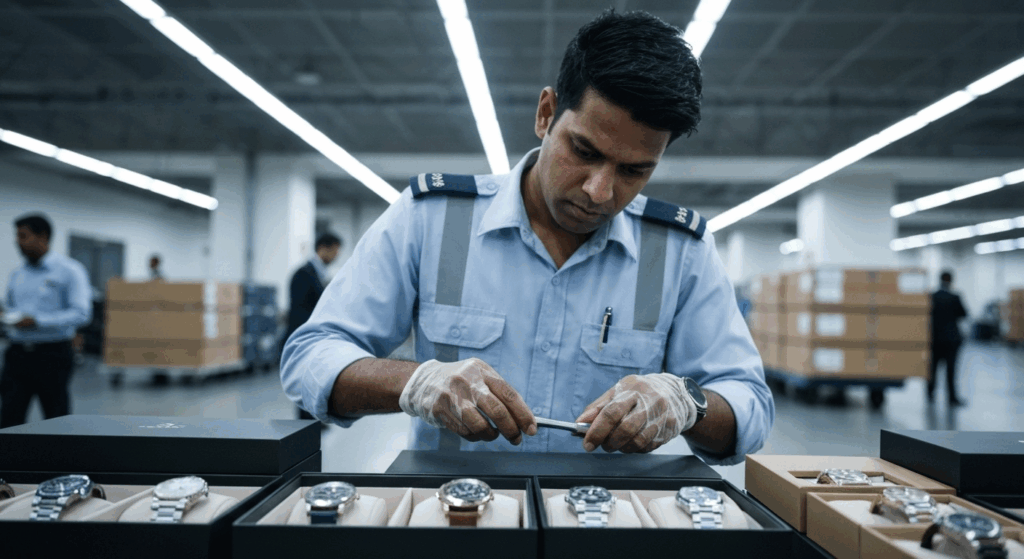
For example, a well-liked watch like the Tissot PRX, which is now about $775, might soon cost almost $870. A luxury watch, such as a Rolex Submariner, will see an even bigger jump. Its price could rise from around $9,500 to more than $10,600, so people may pay over $1,100 more for it.
This situation also changes how easy it is to find these watches. Brands with limited supply, like Rolex and Patek Philippe, can likely increase prices without it hurting demand too much. But other brands may face problems. Barclays analysts say that brands with enough supply may lose sales if they raise prices too much. This can also change what watches U.S. stores choose to sell.
Strategies Employed by Retailers and Buyers to Manage Tariff Costs
In response to the tariff, both people who sell and buy watches are looking at ways to deal with higher costs. They are not just sitting back in the watch industry. They are working to handle the new money changes and stop themselves from paying the whole extra levy.
Here are some top methods that buyers and sellers use:
- Pre-Owned Market: A big move is shifting to pre-owned swiss watch sales. Swiss watches that are already inside the U.S. do not have the new import tariff.
- International Operations: Some companies are thinking about changing how they work. For example, Loupe This, an auction business in the U.S., talked about speeding up their plans to start a Hong Kong office so they can run auctions there.
- Delayed Delivery: Some watch collectors are putting off getting their new watch orders. They hope that a trade deal will come soon and help avoid the levy.
Many are now looking even more at the secondary market. A specialist from ScrewDownCrown blog said this tariff splits swiss watch sales into “two separate swiss watch markets.” Watches that are already in the U.S. are now seen as “a new asset class.” This will likely push up the value and the popularity of certified pre-owned and older vintage watches in the watch industry.
Conclusion
To sum up, the new U.S. tariffs on swiss watch imports bring both tough parts and chances for buyers and shops. It’s important to understand what these tariffs mean so you can make good choices when you buy. As things change in the market, people and stores will look for ways to lower the extra costs. By watching price changes and looking at other options, you can still find the swiss watch you want. Make sure to keep up with the news to see how your favorite swiss watch brands might be affected. If you need help with your next buy, just ask for advice on what to do next.
Frequently Asked Questions
Which Swiss watch brands are most affected by the U.S. tariffs?
All Swiss watch brands that send their products to the U.S. will be affected. This is true for big names like Rolex and Omega, and also for smaller companies. But, luxury brands that do not have issues with making enough watches might have a harder time. These brands could find it tough to increase prices to deal with the new tariff, because this might make them lose some sales.
Can consumers avoid or minimize the impact of tariffs on Swiss watches?
Yes, people in the U.S. can buy a swiss watch from the secondary market. Choosing a pre-owned or vintage swiss watch that is already in the country lets you avoid the new tariff. Stores with Certified Pre-Owned (CPO) programs will become more popular for this reason.
How might these tariffs influence the long-term Swiss watch industry in the U.S.?
Over time, the tariff may make prices stay higher in the main U.S. market. People may move faster to buy pre-owned watches. This could make the used watch market grow quickly. It may even pass up new watch sales earlier than people thought it would. This can split the global watch trade into more parts.
https://www.wsj.com/business/retail/swiss-watch-tariff-impact-omega-rolex-f9507bbe
https://www.youtube.com/channel/UCe1qICvWRDbdH7-Fixvj7Bg
https://www.swissinfo.ch/eng/switzerland-slammed-with-39%25-tariff-rate-in-us-trade-blitz/89768316
https://www.nytimes.com/2025/08/08/business/tariffs-switzerland-trump.html
Leave a Reply