

Exploring the Holy Trinity Patek Philippe: A Collector’s Guide
Key Highlights
- The “Holy Trinity of watches” refers to three prestigious Swiss watchmakers: Patek Philippe, Audemars Piguet, and Vacheron Constantin.
- These brands are celebrated for their exceptional craftsmanship, historical significance, and influence on luxury watchmaking.
- Patek Philippe is a cornerstone of the holy trinity, known for pioneering complications and timeless designs like the Calatrava and Nautilus.
- Each of the three brands has a rich history of innovation, from complex movements to the creation of the luxury sports watch category.
- Understanding the holy trinity provides insight into what makes these timepieces the pinnacle of Swiss watchmaking for collectors and enthusiasts.
Introduction
In the world of luxury timepieces, a few names command universal respect. Among them, three brands stand out, forming what enthusiasts call the “Holy Trinity” of watchmaking. Patek Philippe, Audemars Piguet, and Vacheron Constantin represent the absolute best in craftsmanship, heritage, and innovation. This guide will explore this revered group, with a special focus on Patek Philippe, to help you understand what makes these watches so special and why they are at the top of many collectors’ lists.
Understanding the Holy Trinity in Watchmaking
The term “Holy Trinity” in watchmaking refers to a trio of the most prestigious Swiss watchmakers: Patek Philippe, Audemars Piguet, and Vacheron Constantin. These brands are recognized for their long, uninterrupted histories, exceptional craftsmanship, and significant contributions to the art of horology.
As a central member of this group, Patek Philippe has consistently set the standard for quality and innovation. The involvement of these three watchmakers defines the pinnacle of luxury, representing a tradition of excellence that has captivated collectors for generations. Now, let’s explore where this term came from and how Patek Philippe secured its place.
The Origins and Evolution of the Term “Holy Trinity”
The phrase “Holy Trinity of watchmaking” became popular among watch connoisseurs in the mid-1970s. It was a way to distinguish three specific brands that consistently demonstrated the highest level of mechanical excellence and artistic finishing. This trio—Patek Philippe, Audemars Piguet, and Vacheron Constantin—had already established themselves as leaders in the watch industry over centuries.
Their inclusion wasn’t accidental. Each of these prestigious Swiss watchmakers maintained an unbroken history of producing incredibly complex and finely crafted timepieces. They were not just making watches; they were creating horological art, pushing the boundaries of what was possible in a mechanical movement. In recent years, however, some enthusiasts and collectors have begun to question whether the “Holy Trinity” still holds the same significance, as independent brands and innovative newcomers have emerged with exceptional craftsmanship and fresh ideas. While the original “Holy Trinity” remains highly respected, the conversation about what constitutes the elite in watchmaking continues to evolve.
As the years went by, the term stuck. It became a benchmark for quality and prestige in the world of high horology. The “Holy Trinity of Swiss watchmaking” represents a shared commitment to tradition, innovation, and the finest craftsmanship, setting them apart from all other brands.
The Role of Patek Philippe in Defining the Trinity
Patek Philippe’s place in the Holy Trinity is cemented by its relentless pursuit of perfection and a history of groundbreaking innovations. Founded in 1839, the brand quickly became known for its complex pocket watches and, notably, the invention of the keyless winding and setting system by Jean Adrien Philippe in 1845. This innovation is now standard in modern watches.
The company’s commitment to superior craftsmanship is evident in every timepiece. Patek Philippe produces all its movements in-house and hand-finishes them to an exceptional standard, even creating its own quality seal to certify a higher degree of precision and artistry.
Over the years, Patek Philippe has secured numerous patents for complications like the perpetual calendar, annual calendar, and split-seconds chronograph. This legacy of horological leadership, combined with its timeless designs and family-owned heritage, makes Patek Philippe an essential pillar of the Holy Trinity.
Meet the Brands: Patek Philippe, Audemars Piguet (AP), and Vacheron Constantin
While Patek Philippe is a giant in the watch industry, it shares its prestigious Holy Trinity status with two other legendary watchmakers: Audemars Piguet (AP) and Vacheron Constantin. Together, these three brands form a triumvirate celebrated for their rich histories, technical mastery, and unwavering commitment to quality.
Each of these Holy Trinity brands brings a unique legacy to the table. Audemars Piguet is known for its bold designs and complicated movements, while Vacheron Constantin boasts the longest uninterrupted history of watchmaking. Let’s get to know the other two members of this exclusive club.
History and Legacy of Audemars Piguet (AP)
Founded in 1875 by Jules Louis Audemars and Edward Auguste Piguet, Audemars Piguet is the youngest of the “Big Three.” From its early days in the Vallée de Joux, the brand gained a reputation for creating highly sophisticated and complicated movements, including the world’s first minute-repeater wristwatch in 1892.
However, Audemars Piguet is most famous for revolutionizing the watch industry in 1972 with the release of the Royal Oak. Designed by Gérald Genta, it was the first true luxury sports watch, a category that would come to define modern watchmaking. Its bold octagonal bezel and integrated bracelet were groundbreaking.
This single model established a new direction for the brand and the industry, spawning popular collections like the Royal Oak Offshore. While the core members of the Holy Trinity remain unchanged for most purists, AP’s continuous innovation keeps the conversation about its legacy alive and dynamic.
Vacheron Constantin’s Place in Haute Horlogerie
Vacheron Constantin holds the distinguished title of being one of the oldest watch manufacturers in the world with an uninterrupted history dating back to 1755. Founded by Jean-Marc Vacheron in Geneva, the maison has embodied the spirit of haute horology with its motto, “Do better if possible, and that is always possible.”
Throughout its centuries-long existence, Vacheron Constantin has been responsible for numerous horological firsts. These include the world’s thinnest manual-wind movement in 1955 and the most complicated mechanical watch ever made, the Reference 57260 pocket watch, with 57 complications. This commitment to technical excellence is a hallmark of the brand.
Today, Vacheron Constantin offers a wide variety of watches, from the elegant Patrimony and Traditionnelle collections to the sporty Overseas line. The Historiques collection revives iconic designs from the brand’s past, showcasing a deep respect for its heritage while continuing to innovate.
What Makes Patek Philippe Stand Out Among the Holy Trinity
Among the esteemed Holy Trinity watch brands, Patek Philippe holds a unique position. Its reputation is built on a blend of understated elegance, groundbreaking technical patents, and an unwavering commitment to exceptional craftsmanship. This combination creates an aura of exclusivity and high demand that few other brands can match.

While all three members are masters of luxury, Patek Philippe is often seen as the most traditional and prestigious, commanding record-breaking prices at auctions. Let’s look closer at the specific innovations and iconic models that elevate Patek Philippe, even within this elite group.
Innovations and Signature Craftsmanship
Patek Philippe’s legacy is defined by its pioneering spirit in both mechanics and design. From its headquarters in Geneva, the brand has introduced numerous complications that are now widespread in the watch industry. Its dedication to craftsmanship is absolute, with every component finished by hand to the highest standards.
The brand’s innovative history includes many horological milestones. Patek Philippe has a long list of patents that showcase its technical prowess, solidifying its role as a leader.
- The first annual calendar watch.
- The first wristwatches with perpetual calendars.
- The first split-seconds chronographs for wristwatches.
This focus on creating complex yet reliable complications, paired with timeless design elements, sets Patek apart. Whether it’s a grand complication or a simple Calatrava, the level of detail and quality is consistent, reflecting the brand’s commitment to making the finest watches in the world.
Iconic Patek Philippe Models for Collectors
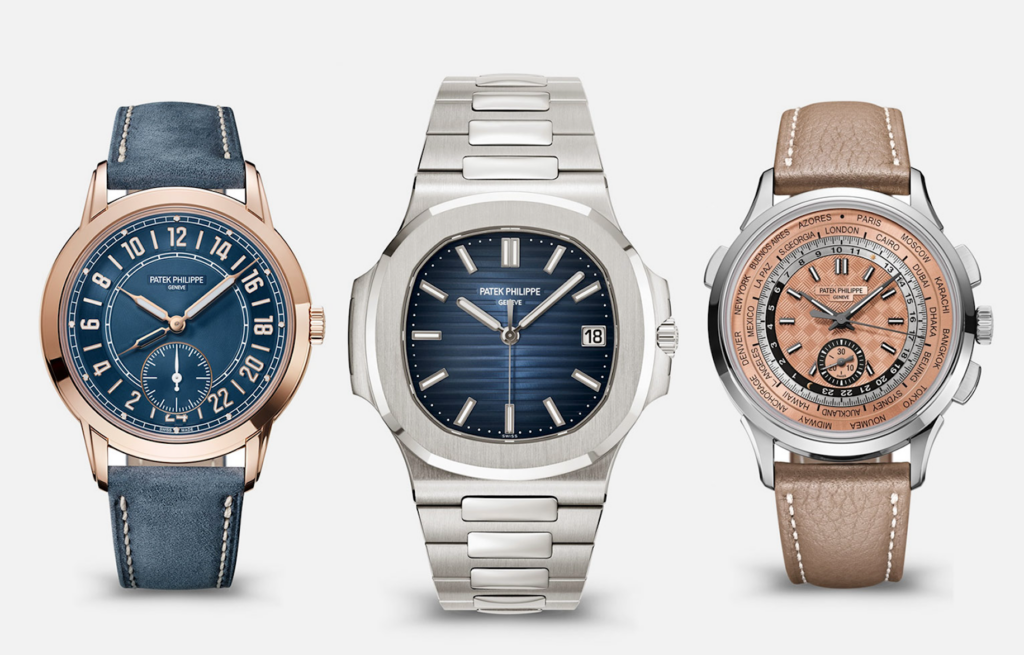
Certain Patek Philippe models have become legends in their own right, embodying the brand’s spirit of elegance and innovation. The Calatrava, introduced in 1932, is the quintessential dress watch, with a clean, minimalist design inspired by the Bauhaus movement. It has become a signature of the Patek Philippe style.
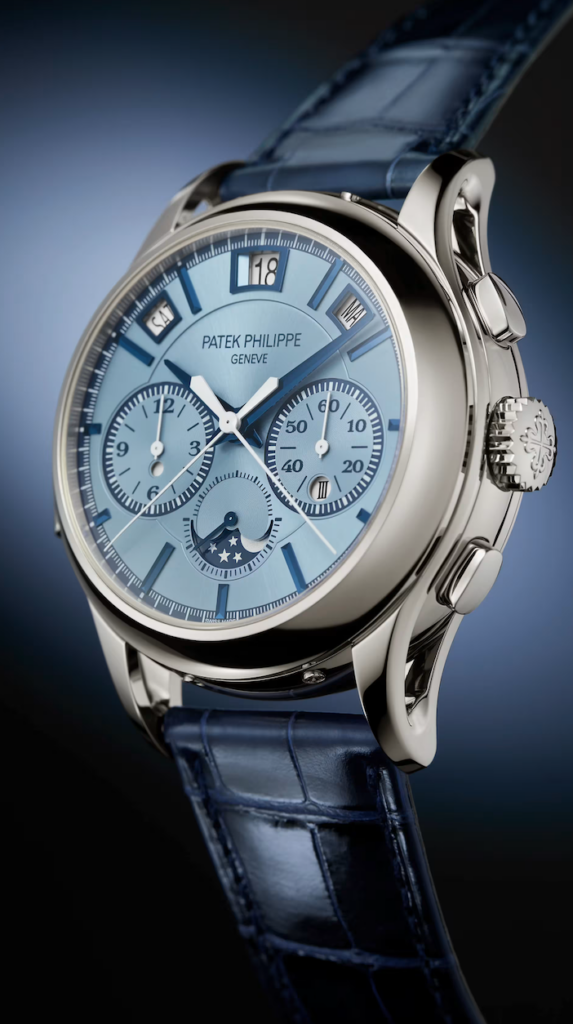
Another icon is the Nautilus, launched in 1976. This luxury sports watch, with its distinctive octagonal bezel and horizontally grooved dial, became one of the most desirable timepieces in the world. The brand also made history with the Graves Supercomplication, a pocket watch with 24 complications that was the world’s most complicated for decades.
These models showcase the breadth of Patek Philippe’s mastery, from understated elegance to sporty luxury and ultimate mechanical complexity.
| Model | Key Feature | Year Introduced |
|---|---|---|
| Calatrava | Minimalist, elegant dress watch design | 1932 |
| Nautilus | Iconic luxury sports watch with octagonal bezel | 1976 |
| Graves Supercomplication | Record-setting pocket watch with 24 complications | 1933 |
Conclusion
In conclusion, exploring the Holy Trinity of watchmaking is not just about appreciating exquisite timepieces; it’s about understanding the rich history and craftsmanship that each brand embodies. Patek Philippe, Audemars Piguet, and Vacheron Constantin each bring unique innovations and legacies to the table, making them essential for any serious collector. By delving into the intricacies of these iconic brands, you gain a deeper appreciation for their artistry and a keen insight into their market value. Whether you are a seasoned collector or just beginning your journey in haute horlogerie, remember that each watch tells a story worth sharing. For personalized guidance on your collection journey, don’t hesitate to reach out for a consultation!
Frequently Asked Questions
Are Holy Trinity watches a good investment for collectors?
Yes, Holy Trinity watches are generally considered excellent investments. Due to their exceptional craftsmanship, brand prestige, and high demand, models from brands like Patek Philippe often retain or increase their value over time. Their limited production and desirability among collectors contribute to their strong performance on the secondary market.
How does Patek Philippe compare to Audemars Piguet and Vacheron Constantin?
While all three watchmakers are masters of complications, Patek Philippe is often seen as the most traditional and classic. Audemars Piguet is known for its bolder, sportier designs like the Royal Oak, while Vacheron Constantin is celebrated for its artistic finishing and the longest uninterrupted history in watchmaking.
Where can collectors buy pre-owned Patek Philippe watches from the Holy Trinity?
Collectors can find pre-owned Patek Philippe watches through reputable authorized dealers, specialized online marketplaces, and prestigious auction houses. Given the exclusivity and value of these timepieces, it’s crucial to purchase from trusted sources that can verify authenticity and provide documentation to ensure a secure investment in the watch industry.
https://www.vacheron-constantin.com/en2/manufacture/craftsmanship/les-cabinotiers.html
Leave a Reply