
Explore the Current Trend: Smaller Watches and Dials
Key Highlights
- Smaller watches are gaining popularity across the watch world as buyers rethink ideal case size.
- Vintage pieces and archive-inspired models are driving fresh interest in compact luxury timepieces.
- In recent years, brands have moved away from oversized designs toward more balanced proportions.
- Collectors now see 34mm to 39mm as a strong sweet spot for everyday wear.
- Big names and newer releases alike show that smaller dials can still deliver presence and prestige.
- This shift reflects comfort, style, and lasting taste rather than a passing fad.
Introduction
Smaller watches are having a real moment, and it is easy to see why. After years of bold sizing, current watch trends show a growing interest in refined proportions, cleaner lines, and a more balanced dial. You now see this shift in dress pieces, sports models, and vintage-inspired releases alike. For anyone who thought bigger always meant better, the market is telling a different story. So, what is behind this change, and why are so many buyers paying attention now?
Discover the Ongoing Craze for Smaller Watches and Dials
Across the watch world, smaller watches are moving from niche interest to mainstream demand. Enthusiasts are choosing watches with a more restrained dial and a case size closer to 36mm and under, instead of the long-dominant 40mm or 41mm sports format.
Part of the appeal comes from nostalgia, better wearability, and a wider shift in taste. Buyers want proportion, comfort, and elegance on the wrist. That is why this craze feels bigger than a short-lived style swing. The sections below explain how this change took hold.
1. The Resurgence of Vintage-Inspired Compact Watches
The revival of compact watches is closely tied to the rise of vintage taste. For decades, many of the most admired timepieces measured 40mm or below. That older approach now feels fresh again, especially as collectors look for vintage pieces with lasting character instead of chasing sheer size.
Experts point to nostalgia and proportion as key reasons. One market leader noted a generational shift toward wearability and things that feel vintage. That view matches what you see in the secondary market, where smaller, well-proportioned watches are holding value strongly.
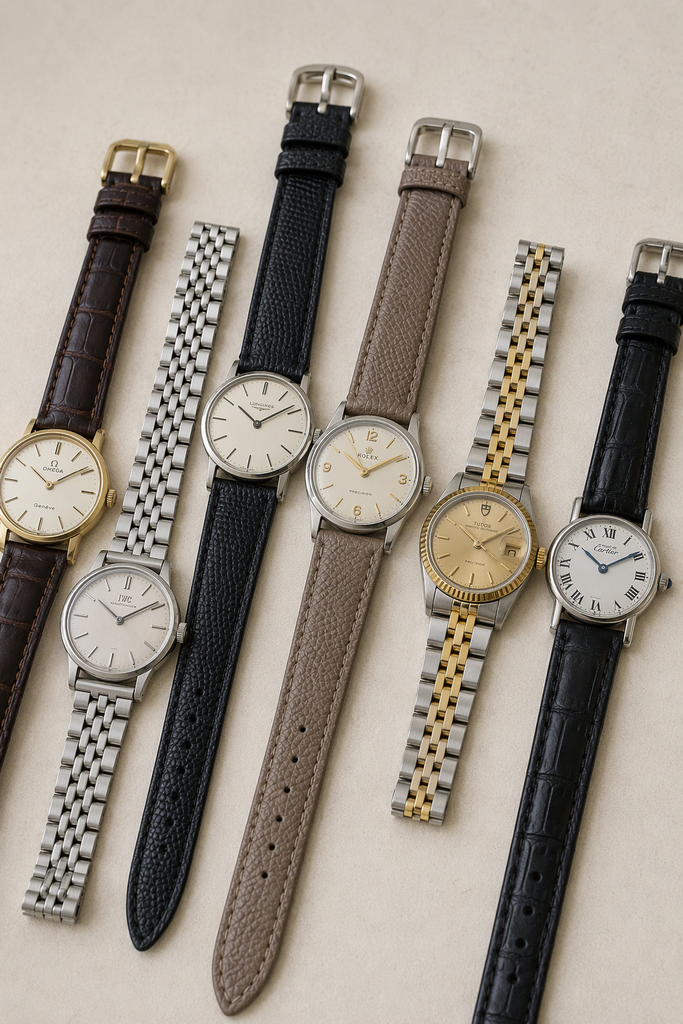
Brands are responding with archive-led releases. Tudor brought back the Black Bay 54 at 37mm, while Omega, IWC, and Zenith have also leaned on heritage cues. This smaller case size revival works because it feels authentic, not forced. You get history, style, and modern reliability in one package.
2. The Shift in Case Sizes: From Oversized to Subtle Elegance
Not long ago, large watches shaped much of the market. In the late 1990s and early 2000s, bold models often reached 44mm, 48mm, or even more. Big tool watches from brands like TAG Heuer, Breitling, and Panerai helped define that era.
In recent years, that direction has softened. Watchmakers have started reducing case size across established collections. Breitling added 38mm versions of the Endurance Pro and smaller Navitimer models. Oris trimmed the Aquis to 36.5mm, and Panerai brought some familiar designs down to 40mm.
This is where subtle elegance comes in. Buyers are no longer treating smaller dimensions as a compromise. Instead, they see them as more refined and easier to wear. The move from large watches to balanced proportions shows how fast taste can evolve when comfort and style meet.
3. Why Both Men and Women Are Choosing Small-Dial Watches
Smaller watches now appeal to a much broader audience than before. The old idea that a compact men’s watch looks too slight or that a women’s watch must stay tiny is fading. More brands are leaning into gender-neutral sizing, and buyers are choosing what suits their wrist and style.
That shift makes sense when you consider everyday use. A smaller dial often feels easier to pair with more outfits, from tailoring to casual wear. It also sits closer to the wrist, which adds comfort and versatility without losing presence.
- Smaller watches work across more settings in your wardrobe.
- They offer better versatility for daily wear and formal occasions.
- A compact men’s watch can feel classic rather than understated.
- A women’s watch in this space can look sporty, elegant, or both.
Celebrities wearing smaller styles have helped normalize this too.
4. Popular Watch Brands Embracing the Mini Watch Trend
Several major names are pushing the mini watch trend forward, and each brings a different angle. Cartier stands out for slim, jewelry-like designs that wear small by intention. Rolex continues to prove the lasting strength of the 36mm Datejust, a model many collectors see as the benchmark for proportion.
Elsewhere, Audemars Piguet and TAG Heuer show that smaller sizing is not limited to dress styles. The audemars piguet Royal Oak Quartz 33mm keeps its bold identity while wearing more compactly. TAG Heuer has also embraced smaller Carrera options with vintage energy.
- Cartier leads with the Tank and its refined profile.
- Rolex remains central with the Datejust 36.
- Audemars Piguet keeps the royal oak relevant in 33mm.
- TAG Heuer brings retro appeal through smaller Carrera releases.
These brands are shaping demand by showing that compact watches can still feel prestigious and modern.
5. Bestselling Small Watches in 2024 for Collectors
If you are looking at bestselling small watches in 2024, a few names keep coming up for collectors. The Rolex Datejust 36 remains a major reference point. Cartier’s Tank Louis and Jaeger-LeCoultre Reverso also attract buyers who want compact form with lasting design credibility.
Omega and Audemars Piguet add range to the category. The Omega Constellation 36mm gives you a smaller everyday option, while the Royal Oak Quartz 33mm serves collectors who want a luxury sports model in reduced size. These are not fringe picks. They reflect a wider move toward smaller timepieces.
| Watch | Approximate Size | Why Collectors Notice It |
|---|---|---|
| Rolex Datejust 36 | 36mm | Classic proportions and strong lasting appeal |
| Cartier Tank Louis | Compact rectangular case | Elegant, slim, and jewelry-like presence |
| Jaeger-LeCoultre Reverso | Compact rectangular case | Historic design with purposeful restraint |
| Omega Constellation | 36mm | Iconic line in a wearable size |
| Audemars Piguet Royal Oak Quartz | 33mm | Luxury sport style in a smaller format |
Key Reasons Behind the Trend Toward Smaller Watches
Several forces explain why smaller watches have gained traction in recent years. Buyers want better fit, easier daily wear, and proportions that feel more thoughtful. At the same time, fashion trends have moved toward quieter, less flashy signals of taste.
There is also a strong pull from vintage design, celebrity visibility, and broader inclusivity in sizing. Instead of treating one size as right for everyone, brands now offer more options. Next, let’s look at how changing taste and practical benefits support this move.
Changing Tastes: Why Modern Wearers Prefer Smaller Timepieces
Modern wearers are rethinking what a watch should feel like on the wrist. Bigger used to signal power and visibility. Now, many people prefer smaller proportions that look intentional rather than oversized. This change reflects a broader shift toward restraint and balance.
Comfort is a major factor. A watch that sits closer to the wrist often feels easier to wear through a full day. That matters whether you are dressed casually, working, or attending a formal event. Smaller designs can also slip under a cuff more naturally.
Another reason is changing visual taste. Younger and experienced buyers alike are learning to appreciate proportion over bulk. In that sense, smaller timepieces feel modern, even when their design roots are historical. The appeal comes from how they wear, not just how they look in a display case.
The Influence of Fashion, Comfort, and Versatility
Fashion has played a big role in this movement. As style leans toward cleaner lines and quiet luxury, watches with less visual weight fit naturally into that mood. Smaller models do not dominate your outfit. Instead, they support it.
Comfort matters just as much. Many people find compact watches lighter, easier to manage, and better suited to everyday use. That is especially true when a piece sits flat and wears close to the wrist, as seen in designs like the Cartier Tank and Jaeger-LeCoultre Reverso.
- They pair well with a wide wardrobe.
- They bring strong versatility from work to evening wear.
- They often feel more comfortable for all-day use.
- They suit current fashion without looking trend-driven.
Compared with larger models, small watches often feel easier to live with.
Style and Appeal of Small-Dial Watches
Small-dial watches have a distinct style that feels controlled and confident. They do not rely on sheer size to stand out. Instead, they use proportion, shape, and finishing to create presence. That can make them more interesting than louder timepieces.
Their appeal also comes from flexibility. You can wear them with tailoring, knitwear, or relaxed clothes without forcing the look. In the next sections, you will see how this understated approach gives compact watches long-term value across generations and design categories.
How Small Watches Offer Timeless Style Across Generations
Few watch categories age as well as compact classics. A smaller watch often carries timeless style because it is rooted in proportions that have worked for decades. That is why so many vintage and archive-inspired models still feel current today.
Across generations, this matters. Older collectors appreciate the historical accuracy of smaller cases, while newer buyers often see them as a cleaner alternative to oversized designs. A classic dress watch in the 34mm to 37mm range can look as right now as it did years ago.
These watches also shine with formal wear. They slide under a sleeve, avoid bulk, and add polish without distraction. Whether you choose a Tank, a Reverso, or a restrained round watch, the effect is similar. Small size does not limit style. In many cases, it strengthens it.
The Rise of Thin and Slim Watch Designs
Yes, thin and slim watches clearly fit within the move toward smaller timepieces. The same buyers who want reduced case size often want a flatter profile too. A compact watch tends to feel even more refined when the design avoids extra thickness.
You can see this in several recent launches. Panerai’s Radiomir Quaranta Goldtech dropped to 40mm and came with a notably slim case. Hublot’s Classic Fusion 29mm also drew attention because it offered a sleeker expression of a brand once linked closely to bulkier shapes.
This matters because slimness changes how a watch wears. It improves balance, makes daily use easier, and reinforces the elegant side of modern watch trends. Smaller and thinner are not separate ideas right now. They are part of the same move toward proportion and comfort.
Small Watches in the Luxury and Microbrand Markets
The shift toward small watches is very visible in luxury, where established names are resizing icons and leaning on heritage. Luxury buyers are also active in the secondary market, where compact references from Rolex, Cartier, and others are performing well.
The compiled information focuses far more on major brands than microbrand makers, but the broader signal is clear. Small watches are influencing the full market conversation. To understand that better, it helps to look first at the luxury names leading the change.
Leading Luxury Names Shaping the Small Watch Movement
Luxury brands are setting the pace for this movement because they have strong archives and instantly recognizable models. Rolex remains central thanks to the Datejust 36, a watch many collectors treat as the ideal expression of balanced sizing. Cartier also has huge influence through the Tank.
Patek Philippe is often mentioned alongside Cartier and Rolex when collectors discuss classic small-format elegance. Omega adds another key dimension by offering smaller options like the Constellation and vintage-inspired pieces such as the 37mm Seamaster Milano Cortina 2026 linked to the Winter Olympics.
- Rolex keeps compact proportions relevant through the Datejust.
- Cartier dominates the slim, elegant side of the category.
- Patek Philippe reinforces the prestige of refined sizing.
- Omega blends heritage and modern wearability in smaller formats.
Together, these luxury names make compact watches feel desirable rather than niche.
How Microbrands Are Innovating with Compact Cases
The supplied information does not give detailed examples from microbrands, so the strongest conclusion is that the current push is more clearly documented among larger watchmakers. Still, the market logic behind compact cases leaves room for innovation at smaller brand levels too.
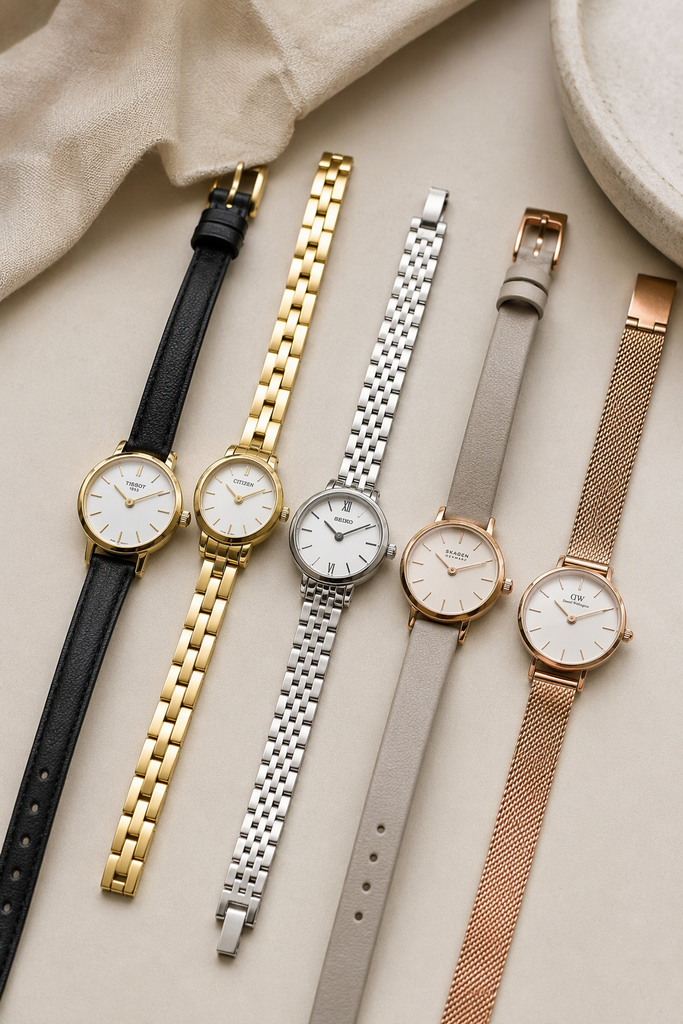
What we can say with confidence is that smaller sizing is opening the door to fresh ideas around inclusivity, wearability, and category crossover. Even mainstream examples show this. The prx 25mm from Tissot proves how a familiar design can be reworked into a much smaller, more accessible format.
- Compact cases support more inclusive sizing.
- Smaller formats encourage design experimentation.
- Familiar lines can be refreshed through reduced dimensions.
- The PRX shows how strong design adapts to new proportions.
Based on the available material, luxury is leading visibility, while innovation potential exists across the market.
Conclusion
In summary, the trend towards smaller watches and dials is not just a fleeting fashion statement; it reflects a shift in consumer preferences for elegance, comfort, and versatility. As we’ve explored, the resurgence of vintage-inspired designs and the move away from oversized cases signify a desire for timeless style that resonates across generations. Whether you are a seasoned collector or a newcomer to the world of horology, embracing the appeal of compact timepieces can elevate your watch collection. To stay ahead in this evolving landscape, consider exploring the latest offerings from luxury brands and innovative microbrands that prioritize both aesthetics and functionality. Happy watch hunting!
Frequently Asked Questions
Are small-dial watches considered stylish among younger collectors?
Yes, small-dial watches are considered stylish by many younger collectors. Current watch trends favor proportion and wearability, and social media has helped normalize smaller sizes on all kinds of wrists. Many younger collectors now see compact watches as smarter, more refined choices rather than old-fashioned ones.
Is the shift to smaller watches affecting luxury or microbrand markets more?
Based on the available information, smaller watches are affecting luxury markets more visibly right now. The watch world is seeing major moves from Rolex, Cartier, Omega, and others. Microbrand potential is there, but the clearest evidence in current markets comes from established luxury players and their archive-driven releases.
What makes small watches appealing compared to larger models?
The appeal of small watches comes down to comfort, versatility, and cleaner fashion appeal. Compared with larger models, they often wear better, fit more wardrobes, and feel less overwhelming on the wrist. Many buyers also like that compact watches look elegant without trying too hard.
Leave a Reply